You are viewing 1 of your 1 free articles
How we… restructured to make our services more local, visible and joined-up
Kevin Hornsby, director of customer service, and Steve Ellard, property director at Ongo, explain how the North Lincolnshire-based housing provider has restructured to provide a more localised, visible and joined-up service for its 11,000 tenants


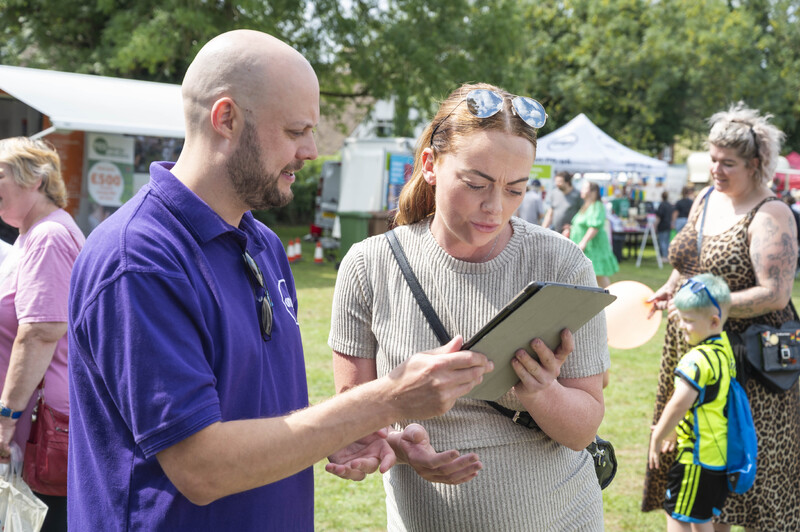 How we… restructured to make our services more local, visible and joined-up #UKhousingNorth Lincolnshire-based housing provider Ongo has restructured to provide a more localised, visible and joined-up service for its 11,000 tenants #UKhousing
Key learnings
- Extensive consultation work with tenants (with feedback from more than 1,500 people) was vital to changing services to better reflect local needs
- New regions were determined not just based on geography, but on detailed analysis of property density, travel time, anti-social behaviour (ASB) levels and void demand
- Each region has its own dedicated neighbourhood officer, support officer and ASB officer
- The new model involved careful planning and collaboration across departments, including early engagement with staff, new training and a phased introduction of changes
What was the problem?
Before we made major changes in September 2025, tenants from across our communities had expressed concerns about the lack of visibility from some of our frontline teams, unclear communication and the absence of a consistent point of contact.
Satisfaction levels were not where they needed to be, and we recognised that we weren’t providing the level of service our tenants wanted or deserved.
Feedback from over 1,500 tenants highlighted the need for more personalised, responsive services that better reflect local needs and improve overall experience.
What was our solution?
As a solution, we developed a new Neighbourhood Delivery Model – a bold new structure to reshape how we deliver frontline services – and launched it on 1 September 2025.
We began by consulting tenants, to understand what mattered most to them. We then used the feedback to build a model that aims to provide a more localised, visible and joined-up approach.
We created three new regions out of our existing homes, each covering several neighbourhoods. This approach allows for more tailored support and a deeper understanding of local needs:
- Region one: 10 neighbourhoods and 4,355 homes, covering areas including Grimsby, Barton, Brigg, Winterton and parts of Scunthorpe.
- Region two: nine neighbourhoods and 3,440 homes, covering Gainsborough, Lincoln, Kirton and several Scunthorpe communities.
- Region three: 10 neighbourhoods and 3,675 homes, covering Doncaster, South and North Axholme and additional areas in Scunthorpe.
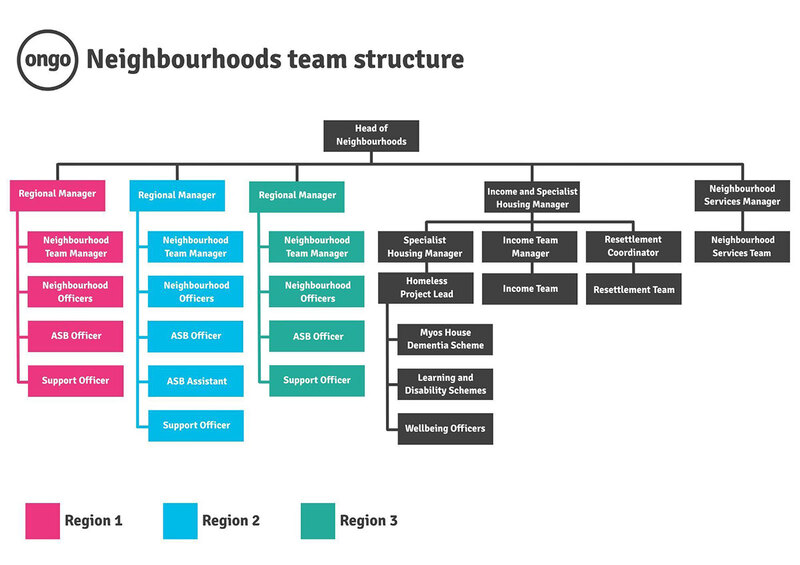
Each region has its own manager to oversee service delivery and encourage tenant input, and a team that includes an anti-social behaviour officer, a support officer and a new, dedicated officer for each new neighbourhood.
This new neighbourhood officer role combines tenancy and lettings responsibilities, meaning tenants benefit from one named contact from the moment they sign up, to ensure continuity and stronger relationships.
We have introduced regional maintenance teams, each with a dedicated manager, to improve service efficiency and reduce travel time for our colleagues, ensuring tenants see familiar faces and receive quicker responses to repairs callouts.
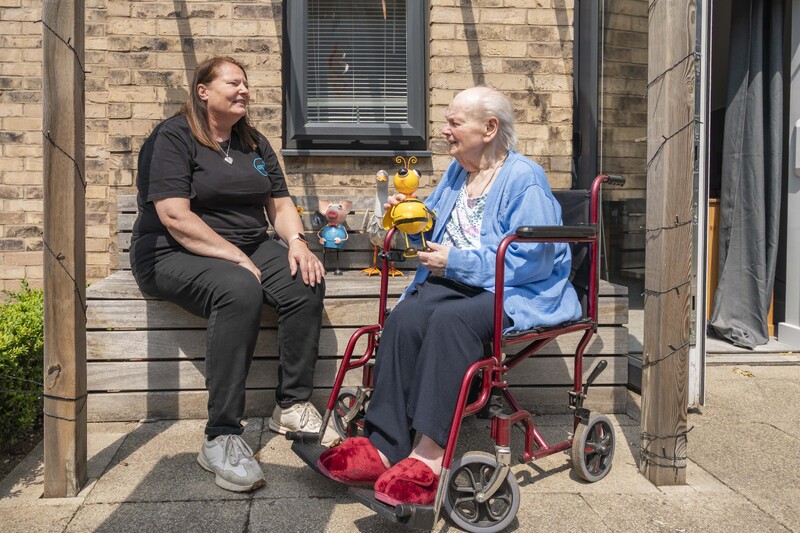
We have also embedded a new complaints manager across all regions, to ensure tenants’ concerns are addressed promptly and effectively, and formed a new specialist housing team to support our sheltered schemes, dementia services and homelessness provision.
Finally, a new, centralised customer hub has streamlined administrative operations and tasks, freeing up officers to focus on community engagement.
As well as tenant consultation, we undertook extensive colleague consultation before restructuring, to ensure we had buy-in and confidence from those delivering the service on the ground. We know that when colleagues feel happy and supported in their roles, they deliver better services, and that directly impacts tenant satisfaction.
Crucially, we have worked to embed a culture of empowerment, giving frontline teams the confidence to act decisively and locally.
This comprehensive restructure ensures compliance with new customer standards and Housing Ombudsman best practices, while reaffirming Ongo’s commitment to tenant-led service delivery.
Case studies
Right place, right time
While on site, Julie (one of our neighbourhood officers) was approached by a tenant who was visibly upset by noise nuisance. Being present allowed her to door-knock, understand the issue and make an agreement, meaning all parties were satisfied.
Previously, this would have required a formal case submission, triage, allocation and appointment scheduling, delaying the resolution and increasing frustration. Instead, Julie opened the case herself, resolved it on the spot and prevented the complainant (who had considered moving) from escalating the issue further.
This not only improved tenant well-being, but also avoided potential void costs. This shows that the Neighbourhood Delivery Model creates visible, empowered officers able to deliver fast, personal solutions within their local patches.
A tenant’s journey to stability
Rachel, a disabled single mother, was homeless and sofa-surfing. After a direct let request from our housing advice team, neighbourhood officer Kirsty worked closely with Rachel to find a suitable two-bedroom bungalow.
Kirsty ensured repairs were completed quickly and supported Rachel through decorating and settling in. Importantly, Kirsty explained that, as Rachel’s dedicated neighbourhood officer, she would be a consistent point of contact for any concerns – a crucial aspect of the Neighbourhood Delivery Model, which Rachel used throughout the process.
The new regional structure meant that all of the Ongo staff assigned to support Rachel, including the maintenance manager, were within her region. Rachel’s experience highlights how the Neighbourhood Delivery Model enables faster, more personal support and builds trust between tenants and staff.
She said: “Kirsty’s knowledge was reassuring. She followed through with everything she said she would do. You need more Kirstys.”
What was the outcome?
Since we invested in improved services, listening to tenant feedback and overhauling our operations rather than making cuts, our tenants now benefit from clearer communication, better relationships with colleagues and more visible support in their neighbourhoods.
Early feedback has been very positive. Since implementation, transactional customer satisfaction with our maintenance service has shown a marked improvement across multiple indicators:
- Repairs satisfaction: Increased from 85% (Apr-Aug 2024) to 93% (Sep-Oct 2025)
- Time to complete repairs: Increased from 74% (Apr-Aug 2024) to 85% (Sep-Oct 2025)
- Worker performance: Increased from 90% (Apr-Aug 2024) to 96% (Sep-Oct 2025)
We expect to see this trend of increased satisfaction reflected across other areas, and stronger community engagement, as the model embeds.
We’ve also seen over 95% of colleagues placed in their preferred region and made several internal promotions, helping to retain talent as well as improving service quality.
With transactional satisfaction scores stabilising above 90%, our focus now shifts to sustaining performance, reducing work-in-progress jobs, improving our efficiency and making continuous improvement across the regions.
What were the challenges?
The biggest challenge was ensuring the restructure and creation of new roles didn’t disrupt existing services.
Setting up three brand new regions wasn’t just a geographical split, it required detailed analysis of property density, travel time, ASB levels and void demand.
Allocating colleagues into their preferred region was also a major task, with over 95% receiving their first choice. Meanwhile, some colleagues had to learn completely new aspects of their roles while continuing their day-to-day responsibilities.
Handling all of these huge challenges involved careful planning and collaboration across departments, engaging with colleagues early, providing training and phasing in changes to minimise disruption.
Subscribe to Inside Housing Management and sign up to the weekly newsletter
Inside Housing Management is the go-to source for learning, information and ideas for housing managers.
Subscribe here to read the articles.
Already have an account? Click here to manage your newsletters.
Related stories