You are viewing 1 of your 1 free articles
New rule for Welsh landlords dealing with damp and mould to come into force under WHQS from April
A new requirement for social landlords to investigate serious hazards within 24 hours will come into force under the Welsh Housing Quality Standard (WHQS) from April this year.


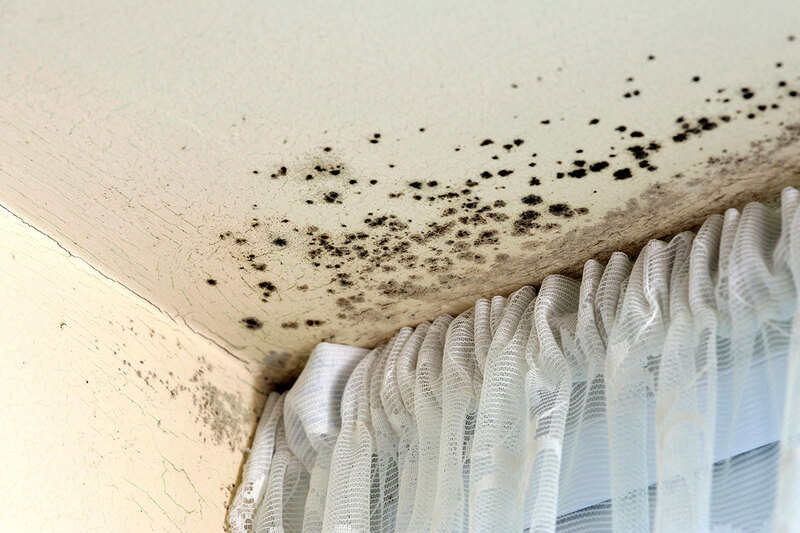 A new requirement for social landlords to investigate serious hazards within 24 hours will come into force under the Welsh Housing Quality Standard from April this year #UKhousing
The Welsh government consulted on this proposal in spring 2025, and has since confirmed that the WHQS will be updated to set out “clear timescales for investigating and remedying hazards” such as damp and mould.
Jayne Bryant, cabinet secretary for housing and local government, said in December that this update follows the tragic death of Awaab Ishak, a case that “underlines the critical importance of listening to tenants”.
The update will mean all Housing Health and Safety Rating System (HHRS) hazards, with the exception of overcrowding, must be investigated and remedied within certain timescales if they present a “potential significant risk” to tenants and result from disrepair that is “within the landlord’s control”.
Read More

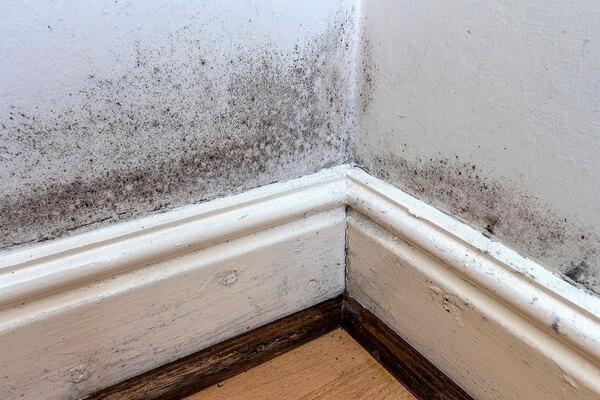
A document outlining the update said: “A hazard which may present a significant risk with an assessed likelihood of imminent harm to the tenant/occupier must be investigated within 24 hours and remedied within a further 24 hours.”
“A hazard which may present a significant risk with no assessed likelihood of imminent harm will be investigated within 10 working days and remedied within a further five working day[s],” the document added.
Where it is not possible to remedy a hazard within these timescales, the WHQS requires social landlords to send a written summary plan to tenants, also within five working days.
The Welsh government said it will monitor compliance with the updated standard via a quarterly return from social landlords, the first of which will be due at the end of June 2026.
Ms Bryant said: “These measures are not optional; they are designed to strengthen accountability and transparency across the sector.
“Social landlords must now publish response times and report on their performance as part of the WHQS compliance return, ensuring tenants can see how their landlord is meeting obligations.”
She said recent reports by the Public Services Ombudsman for Wales – which is currently considering an investigation into how social landlords respond to damp and mould complaints – have highlighted “unacceptable failures by some social landlords”.
Ms Bryant continued: “It is essential that all landlords act without delay when issues of damp and mould, as well as other hazards, are reported. This means having systems in place to respond quickly, keep tenants informed and treat their concerns with empathy and respect, not just as technical problems.
“Compliance with statutory requirements is the baseline, but my expectations go further. Landlords should demonstrate a proactive, person-centred approach: identifying risks before they escalate, engaging with tenants to understand their needs and prioritising well-being.”
She said the new WHQS rule, which will come into force on 1 April 2026, is a “direct response” to concerns around accountability and transparency for tenants.
The Welsh government “expects to see tangible improvements in how these issues are addressed across the sector”, the cabinet secretary added.
In response, Community Housing Cymru (CHC) said housing associations “take the health and safety of tenants extremely seriously and recognise the urgent need to address instances of damp, mould and other hazards swiftly”.
It continued: “We support the adoption of these new Welsh Housing Quality Standard requirements, which will bring greater consistency and clear timescales for social housing tenants across Wales.”
However, the trade body highlighted the importance of getting adoption of the updated WHQS right, saying it will “take time to ensure that processes and arrangements are in place before any new requirements commence”.
“We urge the Welsh government to work closely with housing associations in the coming months to provide clarity on implementation and reporting requirements, and we remain committed to working constructively together to achieve the best outcomes for tenants,” CHC said.
Sign up to Inside Housing’s Wales newsletter
Sign up to Inside Housing’s Wales newsletter, a fortnightly round-up of all the key news and insight affecting the Welsh affordable housing sector.
Click here to register and receive the Wales newsletter straight to your inbox.
And subscribe to Inside Housing by clicking here.
Already have an account? Click here to manage your newsletters.
Related stories